Laser cleaning for heritage and restoration projects
Suitable for selective cleaning of metal details and certain stone surfaces.
Use with careful evaluation and testing.
Laser cleaning uses controlled laser pulses to remove rust, coatings, oxides and surface contamination in a non-contact, selective process.
Learn how laser cleaning worksWho this is for
- Restoration contractors
- Conservation specialists
- Architects and heritage consultants
- Technical restoration teams
Problems we help solve
- Selective cleaning of metal fixtures
- Gentle removal of certain coatings
- Preparation for restoration work
Material sensitivity must always be assessed. Testing small areas first is recommended.
Restoration detail – controlled surface cleaning
Laser cleaning enables selective removal of contamination while preserving fine surface details and material structure. This is particularly relevant in restoration work where surface integrity and precision are critical.
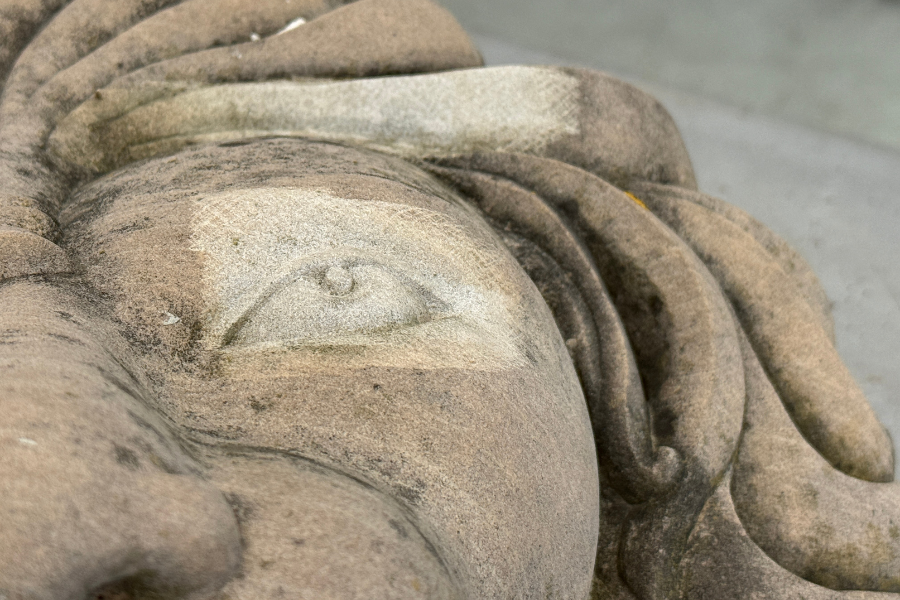
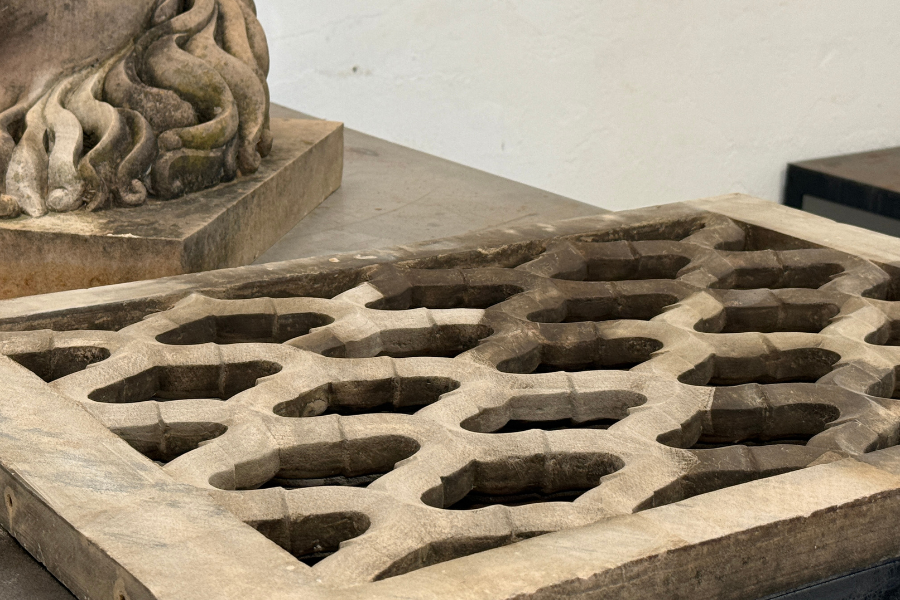
Watch Heritage Restoration Cleaning Demo
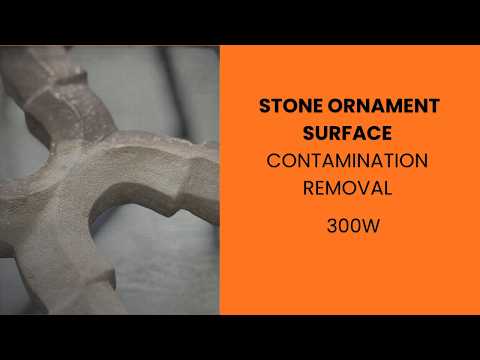
Example of 300W laser cleaning on a decorative stone ornament — selective removal of surface deposits while preserving fine details and surface structure.
Watch demoMaterial: Decorative stone ornament
Contamination / coating: Surface deposits and environmental contamination
Laser power used: 300W
Result intention: Controlled cleaning with preservation of fine details and surface structure
Context: Heritage restoration and architectural stone elements
Results depend on stone type, contamination level, surface condition and laser settings. Testing is recommended before full-scale restoration work.
See more demos: Demos & Videos
Wood Restoration: Dedicated Laser Configurations
Laser cleaning selected coated wooden furniture, doors and decorative architectural elements is a specialist application. LaserSan 300 Wood and LaserSan 500 Wood are developed for paint and varnish removal on suitable wooden substrates. Historical surfaces, thin veneers, valuable finishes and culturally significant objects require conservation-led assessment and test areas before any cleaning method is selected. A dedicated Wood configuration does not eliminate risk to original material.
How laser cleaning works
Assess the surface
Identify the material, coating type and contamination level to determine the right laser power and settings.
Apply the laser
The pulsed fiber laser removes contaminants layer by layer without contact, chemicals or abrasives.
Inspect the result
The cleaned surface is ready for the next step — painting, bonding, welding or further processing.
Laser cleaning for controlled stone surface cleaning
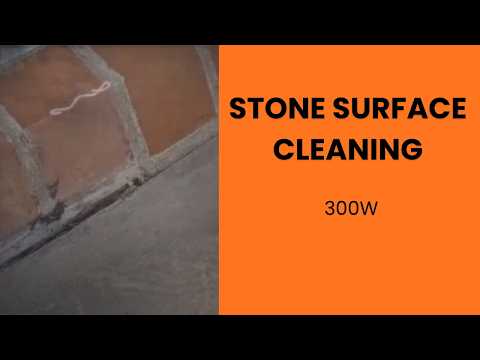
Example of 300W laser cleaning on brick and stone surface — surface deposits, discoloration and environmental contamination.
Watch demoMaterial: Brick and stone surface
Contamination / coating: Surface deposits, discoloration and environmental contamination
Laser power used: 300W
Result intention: Controlled cleaning with surface preservation
Context: On-site cleaning of masonry and stone details
Note: Suitability depends on the stone type, surface condition and the required level of control.
See more demos: Demos & Videos
Benefits
- No chemicals or abrasives required
- No mechanical contact with the surface
- Reduced cleaning time compared to manual methods
- No hazardous waste generated
- Portable machines — can be used on-site
- Consistent, repeatable results
Which machine fits
Controlled cleaning for smaller areas, detailed work and applications where precision and portability matter.
View detailsVersatile solution for the same applications with faster processing and better coverage for medium-sized areas.
View detailsResults depend on material type, coating thickness and surface condition. Always follow laser safety requirements and use appropriate protective equipment.
Related guide: When Does Laser Cleaning Not Make Sense?
Frequently asked questions
Ready to evaluate your application?
We respond as quickly as possible on business days.