Marine laser cleaning for boats and engines
Laser cleaning for metal components, engines and structural elements exposed to marine environments.
Ideal for marinas and repair facilities across Spain.
Laser cleaning uses controlled laser pulses to remove rust, coatings, oxides and surface contamination in a non-contact, selective process.
Learn how laser cleaning worksWho this is for
- Marinas and boatyards
- Engine repair facilities
- Marine contractors
- Metal equipment and component specialists
Problems we help solve
- Corrosion and salt oxidation
- Removing coatings from metal surfaces
- Cleaning engine components
- Preparation for repair or maintenance
Always evaluate sensitive surfaces and test on small areas first.
Fiberglass & gelcoat cleaning (GRP)
High-power laser systems can be used for fiberglass (GRP) and gelcoat cleaning when correct parameters are applied. The example shown uses a 2000W system to demonstrate high-throughput cleaning on marine surfaces.
For more controlled applications, our pulsed systems (500W and 1000W) also include dedicated programs developed specifically for fiberglass and gelcoat cleaning. These allow precise, non-contact removal with reduced risk to sensitive surfaces.
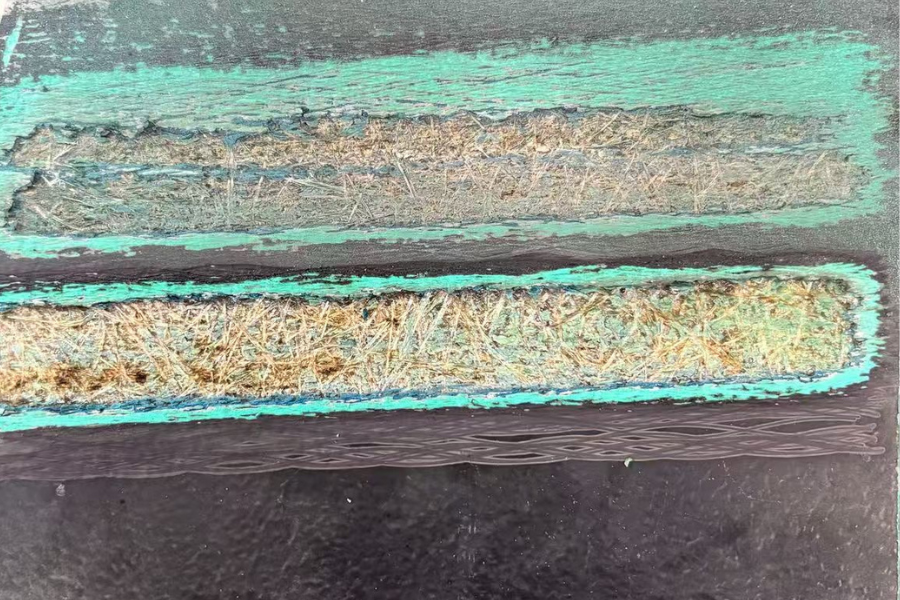
Fiberglass (GRP) cleaning – gelcoat removal (2000W)
Example of 2000W laser cleaning on fiberglass (GRP) and gelcoat surfaces in marine applications, demonstrating controlled removal of coatings and surface layers.
Watch demoCleaning varnished wooden components
Selected varnished wooden components, including teak trim and other coated timber surfaces, may require a specialised cleaning approach. LaserSan's dedicated LaserSan 300 Wood and LaserSan 500 Wood systems provide additional options for professional paint and varnish removal from suitable wooden surfaces.
Marine wood applications require careful assessment of the coating, substrate condition and required finish. Testing may be necessary before suitability can be confirmed. See Wood & Furniture cleaning applications.
Recommended models
- 500W pulsed – controlled and selective cleaning
- 1000W pulsed – higher throughput with control
- 2000W – high-output cleaning for larger marine surfaces
Examples of use
- Antifouling removal
- Oxidation and surface contamination
- General surface preparation
Results always depend on material composition, coating type and thickness, and surface condition. Testing on a small area is recommended before full application.
How laser cleaning works
Assess the surface
Identify the material, coating type and contamination level to determine the right laser power and settings.
Apply the laser
The pulsed fiber laser removes contaminants layer by layer without contact, chemicals or abrasives.
Inspect the result
The cleaned surface is ready for the next step — painting, bonding, welding or further processing.
Benefits
- No chemicals or abrasives required
- No mechanical contact with the surface
- Reduced cleaning time compared to manual methods
- No hazardous waste generated
- Portable machines — can be used on-site
- Consistent, repeatable results
Which machine fits
Controlled cleaning for smaller areas, detailed work and applications where precision and portability matter.
View detailsVersatile solution for the same applications with faster processing and better coverage for medium-sized areas.
View detailsHigher throughput for larger surfaces or projects where cleaning speed becomes a priority.
View detailsMaximum productivity for large-scale or industrial cleaning tasks with extensive surface areas.
View detailsResults depend on material type, coating thickness and surface condition. Always follow laser safety requirements and use appropriate protective equipment.
Related guide: Is Laser Cleaning Overkill for Light Rust?
Frequently asked questions
Ready to evaluate your application?
We respond as quickly as possible on business days.